
About Deposit Contracts
Apart from regular service contracts, we also offer deposit contracts. These contracts are designed to give you a maximum flexibility and improved security as they are not bound to a specific instrument but cover your entire installed base. By that you can decide which instrument needs to be taken care of with highest priority at any given time.
Unlike classical full coverage service contracts, the deposit contract also offers the possibility to transfer remaining budgets into the following contract period.
In particular with a higher number of instruments, this model can offer you significant savings in comparison to full coverage contracts per instrument and at the same time give you more flexibility in your budgeting. Ask us for details on our deposit contracts!

What makes MS Vision's Deposit contracts so special?
In classical service contracts you basically insure your instrument against specific risks such as a failure of electronic boards or turbo pumps. Classically, this is done per instrument, based on the instruments serial number.
But do all your instruments have failures every year? No? Wouldn’t it then be good to dilute the risk over all your instruments?
That’s exactly what the Deposit Contract does. It’s instrument agnostic. That means we need the instrument serial numbers only for keeping track of what we did where. You pay an amount of money and we carry out all service work independent on which instrument and manufacturer. We bill against the Deposit and when the money is consumed we invoice at the same conditions under which the Deposit was handled.
Why is this a benefit for me?
There are three main benefits for you:
- the risk is distributed over several LCMS instruments and this makes it usually cheaper than full coverage contracts while you can have the same conditions such as guaranteed response times and spare parts included.
- It is way more flexible. You can use our service where ever you need it, not where you have it covered. This gives you more flexibility and essentially full coverage on all your instrument at a fraction of the cost of full cover service contracts for each instrument individually.
- A classical mass spectrometer service contract is basically an insurance: when nothing happens the money is gone like an insurance fee. This is different with our Deposit contracts. When nothing happens, the money is still there, and upon contract extension you can transfer it into the next contract period, either completely or partly, depending on how you want to extend the contract.
What can I cover by the Deposit?
Essentially anything we can offer to you:
- Preventive Maintenance
- Service incidents and repairs
- Spare parts
- Trainings
- Qualifications (IQ/OQ/PV)
- Pre-owned instruments
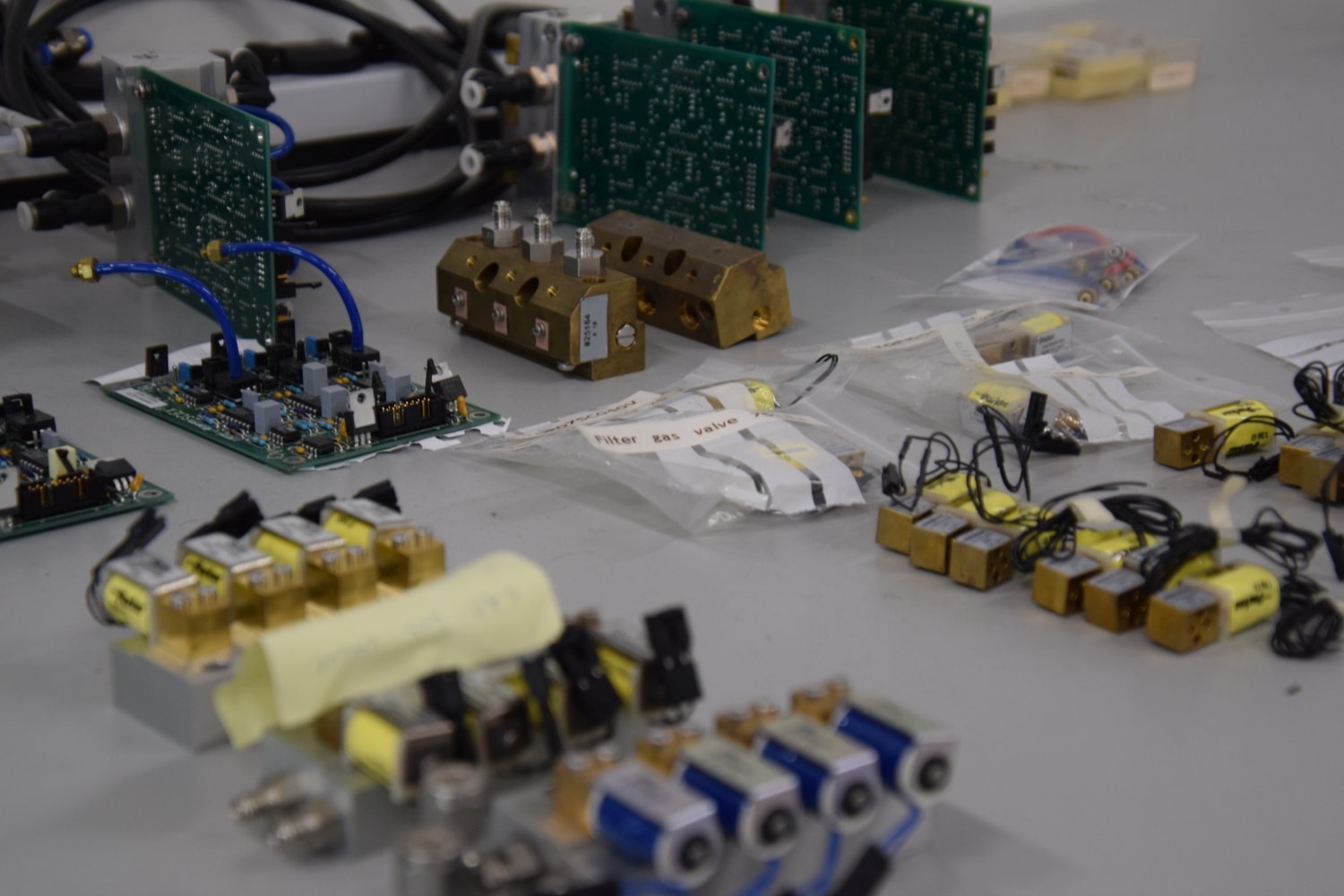
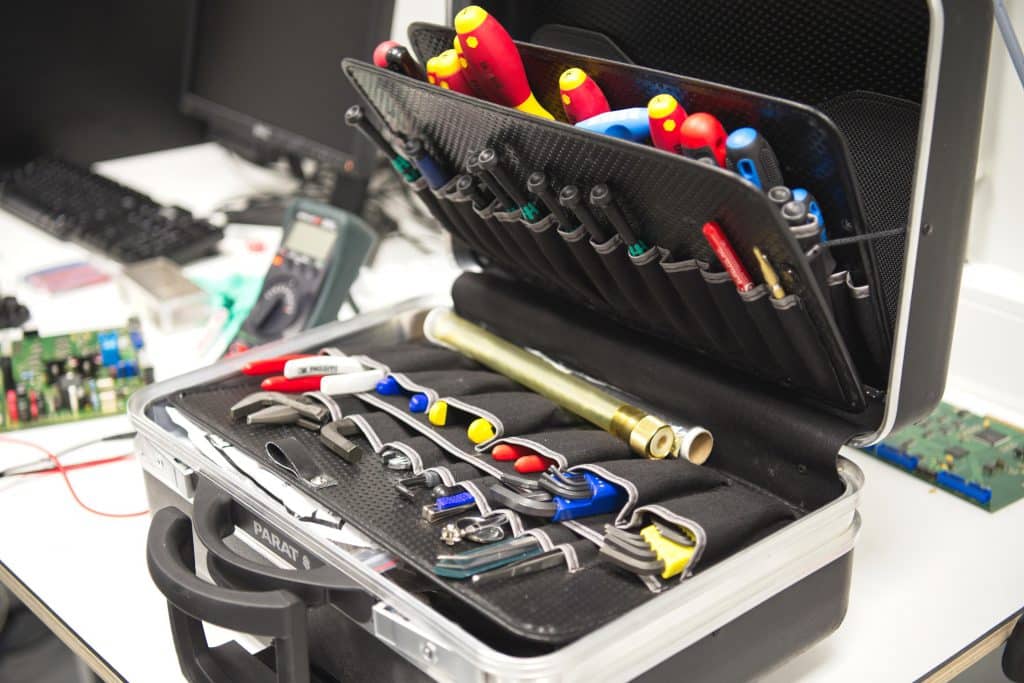
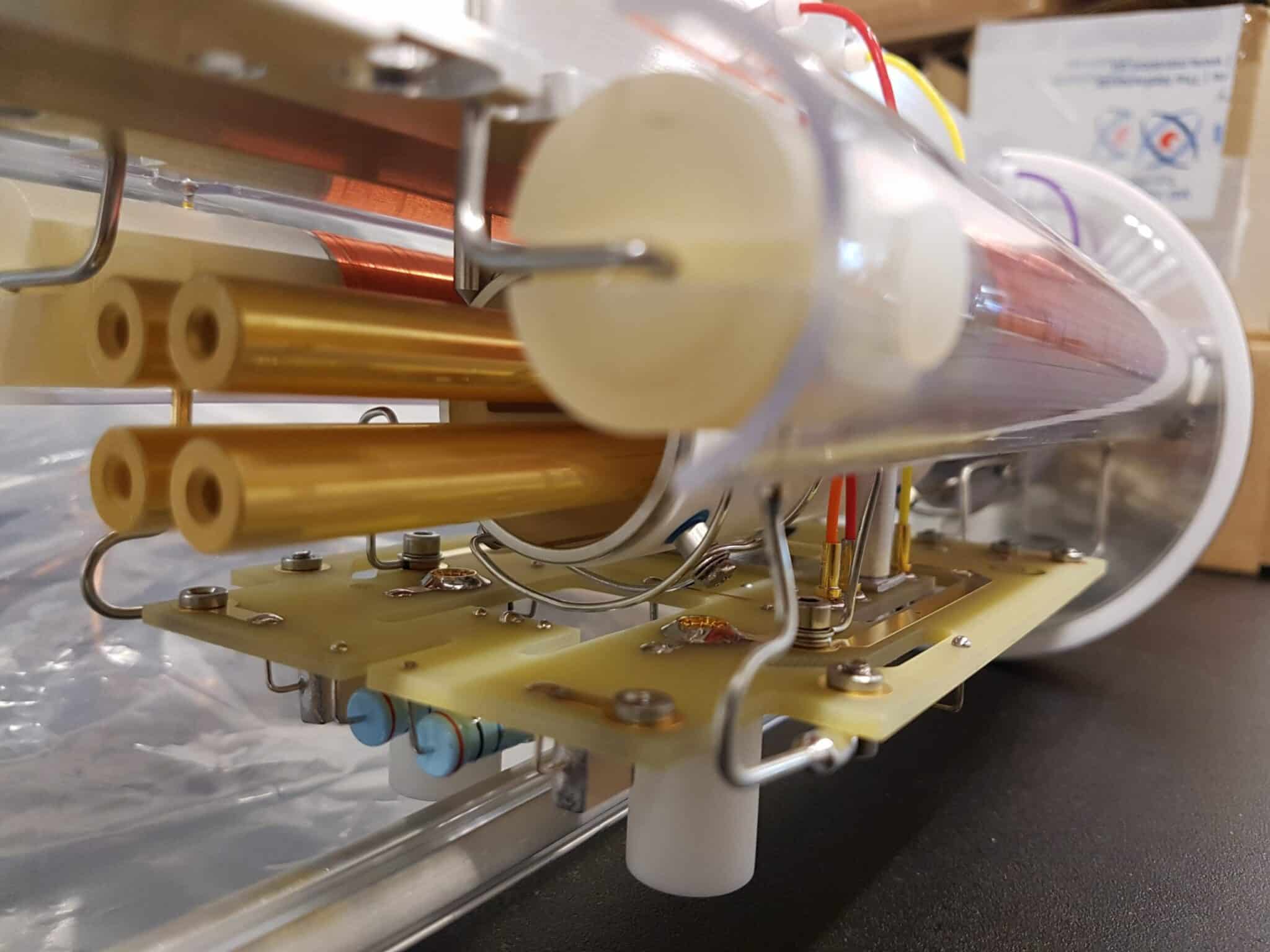
The inclusion of spare parts is also an important differentiator to other companies offerings. Some companies offer “Service tickets” at reduced prices. This sounds good. But the limitation is that these service tickets only cover labour, travel and lodging, not spare parts. And a recent analysis of data from our contracts showed than on average over the past three years of the money spent within a Deposit contract, 89% was for spare parts and only 11% was for labour and travel. With such a ticket based contract you will thus likely only cover for 10% of the actual repair costs! So you’d better keep some money in the pocket for the spare part bills… Or better: get these covered as well with our Deposit contracts!
When does a Deposit contract make sense for me?
A Deposit contract is not always the best solution. If you are interested contact us so that we can discuss and calculate it.
As a general rule of thumb a Deposit contract makes most sense if you have three or more instruments to cover and you want to get at least one bigger repair to be covered. So in terms of our contract, when you would usually pick a Gold or Platinum contract model. In these cases, savings can be substantial.
With e.g. only two instruments for which you only want a PM for each, the amount of the Deposit would essentially be the cost of the two PM’s. There would be no cost advantage.